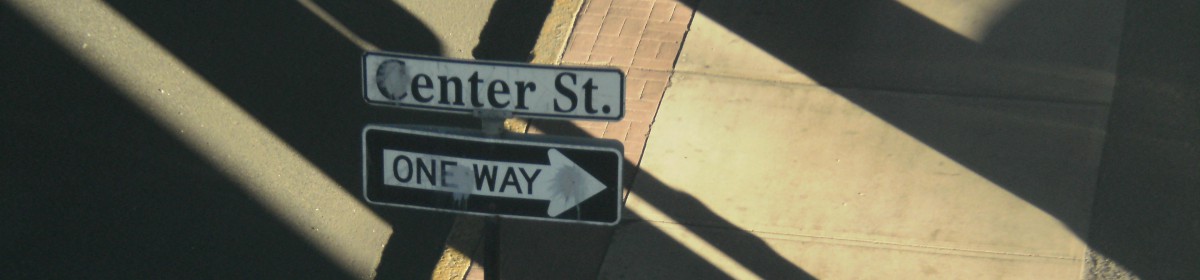

B took this photo in front of our house yesterday morning (June 7, 2023) as the early morning sun tried to break through the wildfire smoke coming down from Quebec, several hundred miles away.
Things got worse as the day went on.
The air at ground level smelled like a campfire and an orange-tinged haze reduced visibility so that you couldn’t see the hills or tell where the horizon was. You could see smoke in the air just looking across the street. You needed indoor lighting even with the drapes pulled back on the windows.
We were keeping a watch on the air quality index numbers from airnow.gov. By mid-afternoon, they reached 460, well into the hazardous category. At that level, people should stay indoors with filtered air. If people have to be outdoors briefly, they should wear masks that are good at filtering out particulates, such as N95 or Kf94. Fortunately, many people still have some on hand from our pandemic experience.
B came home from work early because the smoky air began penetrating the stairwells in his building. It became quite windy. I was hoping that there were some rain clouds up above the smoke but no precipitation fell.
We aren’t alone in this phenomenon. Much of the Northeast and Mid-Atlantic regions of the US are having significant smoke impacts, sometimes even worse than areas in Canada that are much closer to the fires, due to a stationary low pressure system that is circulating in such a way that it draws smoke in our direction. It’s been a dry spring, so there are hundreds of wildfires in Canada right now, with over two hundreds that are considered out of control.
That’s a lot of smoke.
We need rain to help quell the flames and to prevent even more fires from erupting. Also, the plants and animals need more water. We are getting to what should be peak strawberry season here but the crop is expected to be low due to lack of rain, although a late freeze in May didn’t help matters.
As frequent readers may recall, I’ve been active around environmental issues for a number of years, particularly around climate change. I know that the extra carbon people have put into the air through fossil fuel extraction and use, deforestation, unwise agricultural practices, etc. has increased the risk of all kinds of extreme weather events. It makes the likelihood of heat waves, droughts, and wildfires higher and the changes in the air, land, and ocean temperatures make severe storms and stalled weather systems more likely.
We can see it with our own eyes.
I’m frustrated that corporations, politicians, and world governments did not make this a priority years ago. We might have averted some of the impacts we are experiencing now and reduced our future risk. I’m grateful that some action is coming on line now, but we need to make changes more quickly and more universally to reduce the severity of hurricanes/typhoons, wildfires, droughts, floods, sea level rise, biodiversity loss, heat waves, coral bleaching, etc.
In my little corner of the word along the New York/Pennsylvania border, we have a bit of improvement today. For the last few hours, our air quality is rated as “unhealthy for sensitive groups” rather than hazardous for everyone, although I know that, in the New York City area, airports have had to suspend service due to lack of visibility from the smoke. Washington, DC is having a purple alert for air quality, which is one level higher than red alert. The upper level winds have shifted enough that we aren’t in the worst sector today, but others are suffering higher levels than yesterday.
My fear is that a report that I heard today will come true – that this pattern will repeat itself throughout the summer.
It’s hard to predict.
A moment ago, I saw a bit of sunlight break through. I looked out the window and can see the sky with some clouds.
I haven’t seen the sky for a couple of days because of the smoke.
The clouds don’t look like rain is imminent, but I will try to have hope.

 Joanne Corey